Booking choice: The $25 culatello tasting, from $25 per person. Check dates Compare the options below
Prosciutto di Parma is the one the world knows. Culatello di Zibello is rarer and pricier, and locals often rank it higher. The differences are not marketing: they start with the cut and end with the climate each is aged in.
Here is how the two compare, point by point, how they taste, what culaccia and culatta are, and where to taste them side by side near Parma.
The quick answer
Prosciutto di Parma is the whole hind leg on the bone, cured with salt and aged at least 14 months in the dry hills south of Parma. Culatello di Zibello is only the boneless inner muscle of the same thigh, seasoned with salt, pepper and garlic, cased in bladder, tied with string and aged at least 10 months (usually about 20) in the humid lowlands by the Po. Culatello is leaner, deeper red and more intense.
What is the difference between culatello and prosciutto?
The cut and the climate: prosciutto is the whole leg on the bone, aged in dry hill air; culatello is only the boned heart of the thigh, cased and aged in the damp Po lowlands.
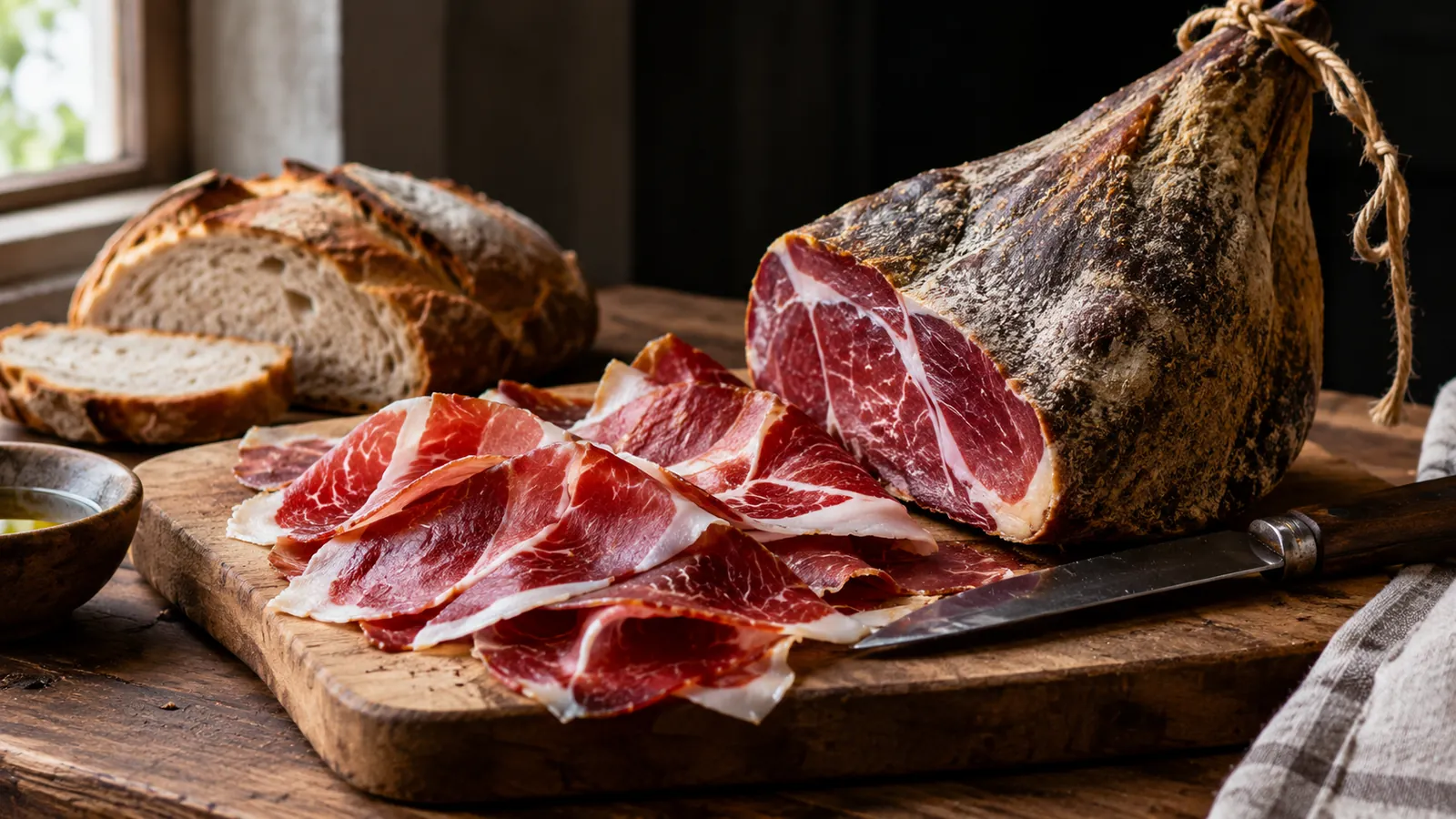
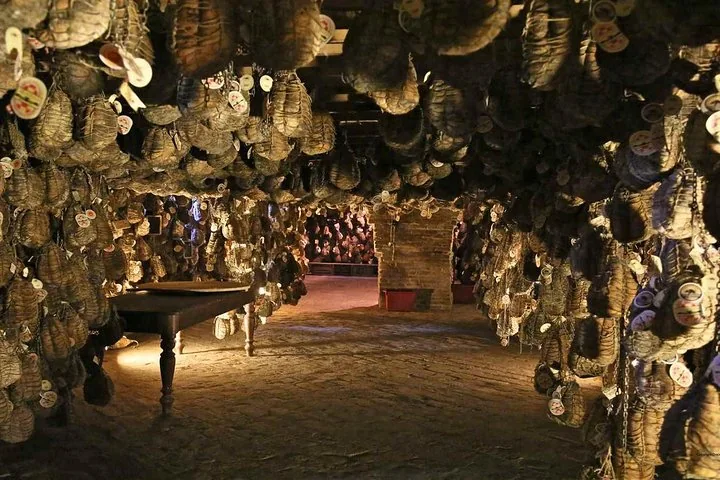
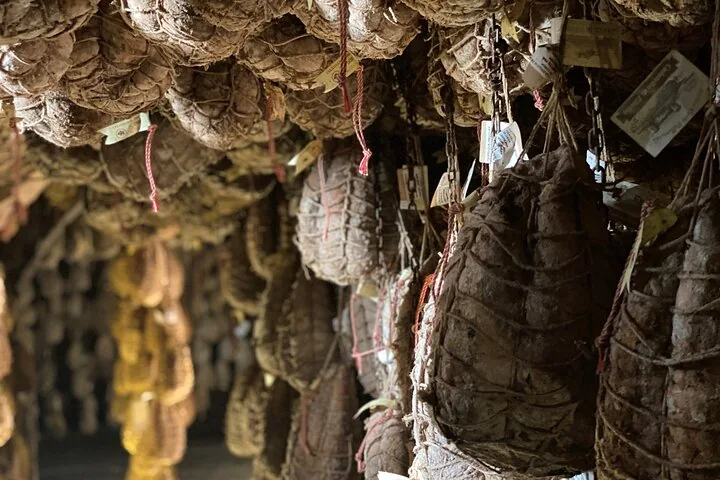
Because culatello loses the bone, the rind and most of the fat, it cannot simply hang in the air like a ham. It is stuffed into a natural casing, usually the pig's bladder, and tied with string, which is why it looks like a dark, netted pear rather than a leg. Prosciutto keeps its skin and bone, so the salt and air work from the outside in.
How do culatello and prosciutto compare side by side?
Different cut, casing, place, seasoning and aging; both are PDO products of the province of Parma.
The table sets out the main points from the two production rules.
| Culatello di Zibello | Prosciutto di Parma | |
|---|---|---|
| Cut | Boneless inner muscle of the thigh | Whole hind leg |
| Bone and rind | Boned and skinned | On the bone, with rind |
| Casing | Natural casing, usually bladder, tied with string | None; exposed meat sealed with lard |
| Seasoning | Salt, pepper, garlic, sometimes dry white wine | Sea salt |
| Where made | Seven towns along the Po, north-west of Parma | Hills south of Parma, around Langhirano |
| Air | Humid, foggy lowland cellars | Dry, ventilated hill air |
| Minimum aging | 10 months | 14 months (raised from 12) |
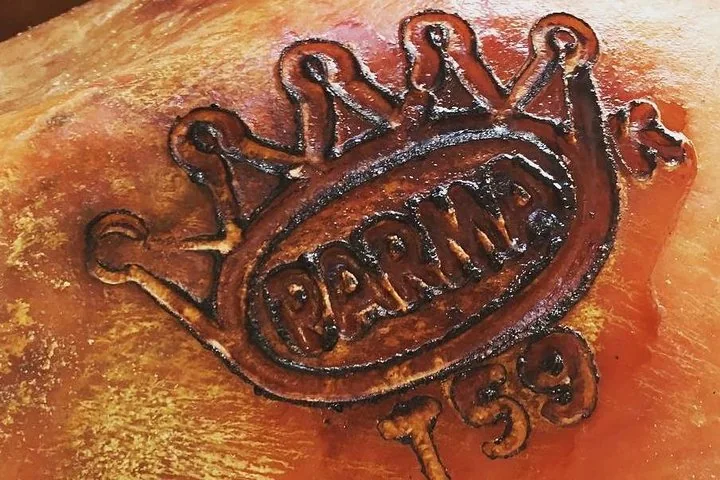
| Mark | PDO name on the label | The ducal crown, branded on the rind |
Taste all three side by side, with the reasons explained, for $25.
Check dates for the $25 culatello tastingWhy is culatello aged in the lowlands and prosciutto in the hills?
Because each needs a different air: prosciutto dries well in the breezy hills, while lean, cased culatello needs humid air to age slowly without drying out.
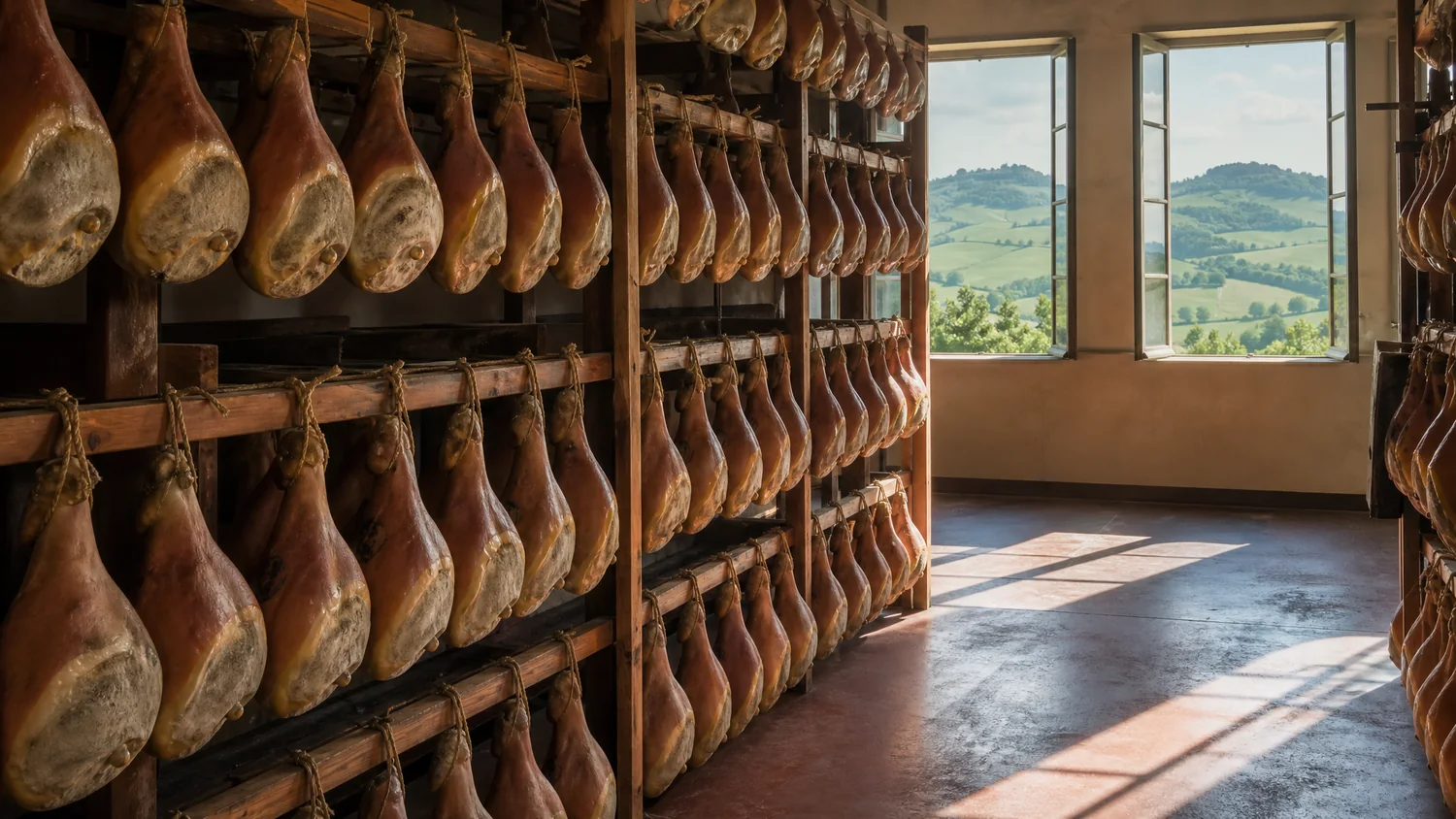
In the hills around Langhirano, south of Parma, the ventilated air suits a whole leg with its fat and rind. In the Bassa, north of the city, the winters are foggy and the summers hot and sticky, and the culatello makers use exactly that: their cellars face the river plain, and the traditional making season runs from October to February, in the fog. Move either one to the other's climate and it would not turn out the same.
How does culatello taste compared with prosciutto?
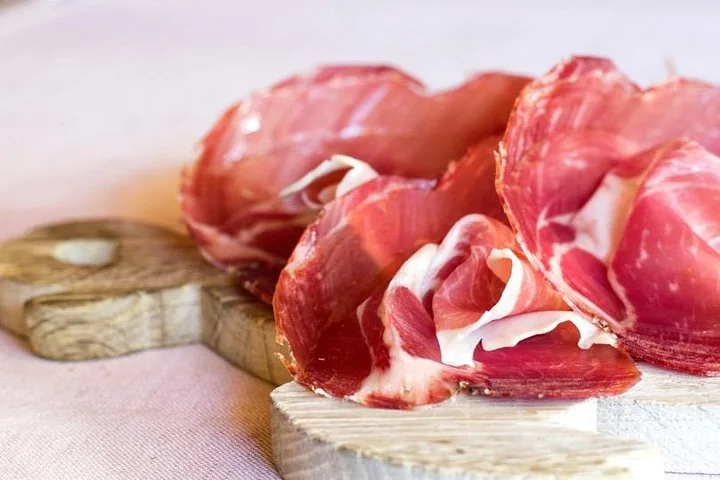
Culatello is softer, sweeter and more intense, with a deep red colour; prosciutto is paler and more delicate, with a band of sweet white fat.
On a board you can tell them apart at a glance. Prosciutto slices are long and pale pink, with a rim of white fat along one edge. Culatello slices are rounder, deeper red and lean, with only thin threads of fat, and no rind. Taste prosciutto first, then culatello: the flavour builds rather than fades. Ask how long each was aged, as it changes both.
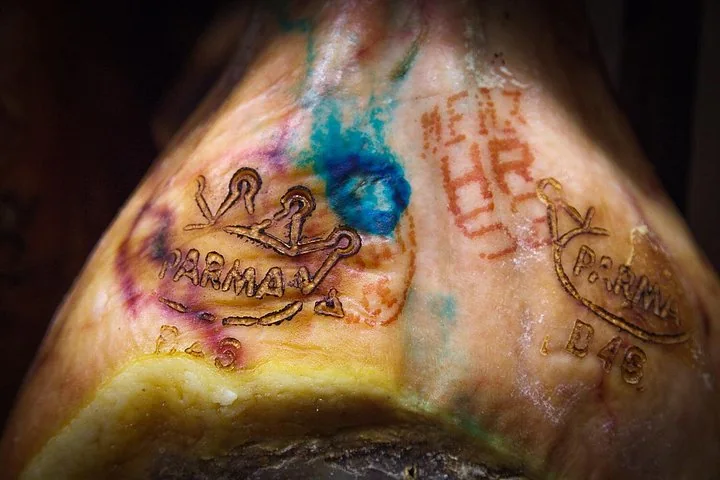
What are culaccia and culatta?
Cured meats made from the same rear part of the thigh as culatello, but keeping the rind and a small piece of bone; they are not PDO products, and Culaccia is a trademark.
Culatta is cut from the rear of the thigh like culatello, but it keeps its rind and a small shell-shaped bone. It is produced in the provinces of Parma and Piacenza and usually aged 12 to 18 months, with no official production rules. Culaccia is the name used by the company that created it, which holds the trademark. You will meet culaccia on the board of the private food walk, and culatta at the $25 curing-room tasting.
Where can you taste culatello and prosciutto side by side?
At the $25 curing-room tasting west of Parma, which serves prosciutto, culatello and culatta together, or on the private walk or the two-hour tasting in town.
The compare and contrast tasting at La Fattoria di Parma, on the Via Emilia at Sanguinaro, starts in the curing room and explains how one leg becomes three products, then serves all three with bread, focaccia and a glass of wine. It has only 2 reviews so far, both five stars; you make your own way there. In Parma, the private walk and the two-hour tasting put Prosciutto di Parma and Culatello di Zibello on the same board.
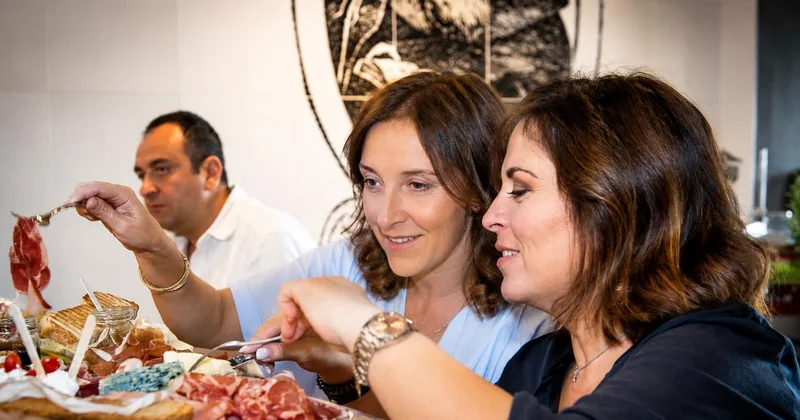
Prosciutto, culatello and culatta side by side in a real curing room, for less than a lunch.
Explore the $25 culatello tastingCan you see both being made on one trip?
Yes, on two different tours: prosciutto on the dairy and ham tours to the hills, culatello on the lowlands half day to the Po.
The Parmigiano and Parma ham tour ($154) visits a small family ham producer after the dairy. For culatello, the lowlands half day ($262) takes you to a farm producer at Polesine Parmense. Do the ham tour one morning and the lowlands the next, and you will have seen both climates. More on the culatello side in what culatello is.
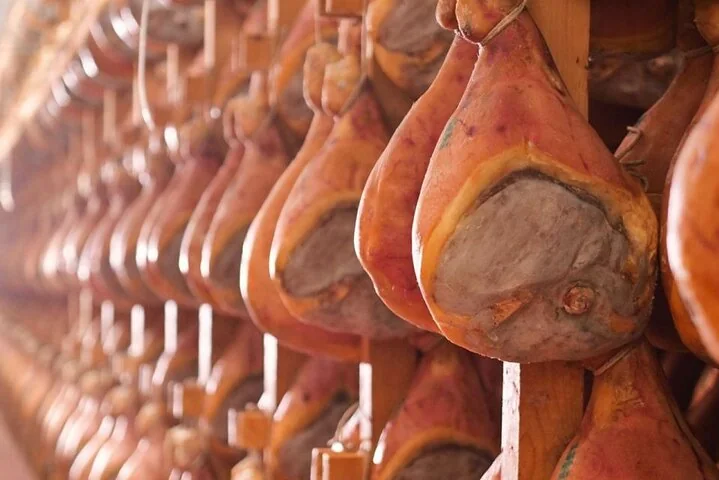
See Parma ham being made, after a working Parmigiano dairy, in one morning.
Check dates for the Parmigiano and Parma ham tourFrequently asked questions
Is culatello better than prosciutto?
It is different: leaner, deeper red and more intense. Many people in Parma rank it higher, but it comes down to taste, so try them side by side before you decide.
Is culatello the same as prosciutto crudo?
No. Prosciutto crudo is the whole leg on the bone. Culatello is only the boned inner muscle of the thigh, cased in bladder and aged in the Po lowlands.
Why is culatello more expensive than prosciutto?
Far less is made: the consortium branded 82,570 culatelli in 2025, it uses only the best part of the thigh, and it is tied and aged by hand in a small area.
Is culaccia the same as culatello?
No. Culaccia is a trademarked product that keeps the rind and a small bone, with no PDO rules. Culatello di Zibello is boned, skinned, cased and made under PDO rules in seven towns.
Ready to book
Choose your tasting
Free cancellation up to 24 hours before on every option. Prices are from-prices in USD and move with the season.
Prosciutto, Culatello & Culatta Tasting
Culatello side by side with prosciutto, for $25
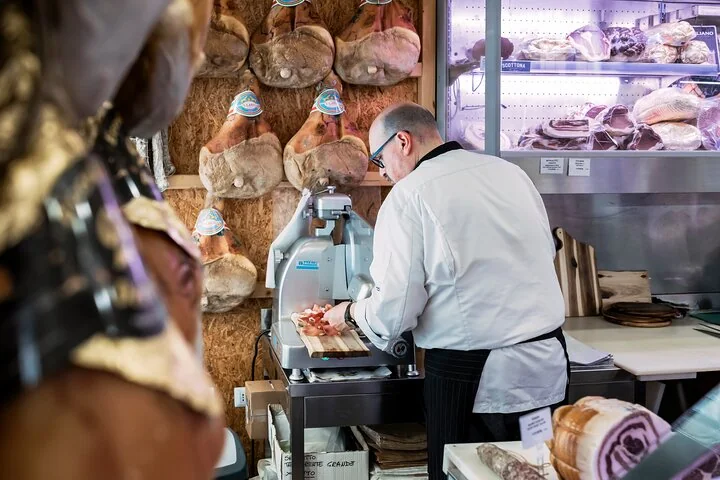
Parma Private Food and Wine Walking Tour
- Private local guide, start at Caffè San Pietro, Piazza Garibaldi
- Cold-cut board with Culatello di Zibello, Prosciutto di Parma, culaccia, coppa, salame
- Three ages of Parmigiano Reggiano, two fresh pastas, pastries and gelato
Culatello Country: Po Lowlands Half Day
- Private local guide and admission
- Hotel pickup within 15 km of Parma (or follow the guide in your own car)
- Tasting of PDO Culatello di Zibello, coppa, pancetta and salami